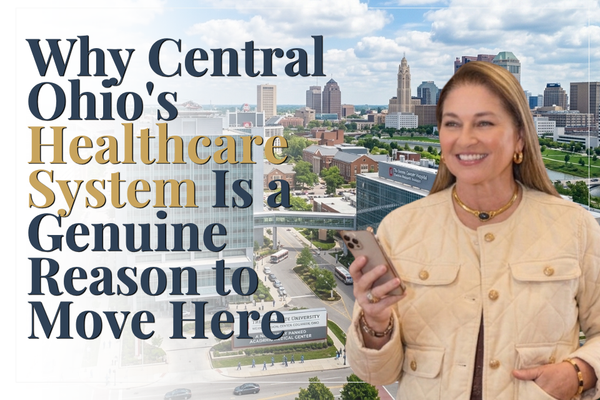
What Surprises People Most When They Actually Move to Central Ohio
Lower cost of living is part of the story, but most newcomers are more surprised by how fast Central Ohio starts to feel like home. Here's an honest look at what to expect, including the one real downside.
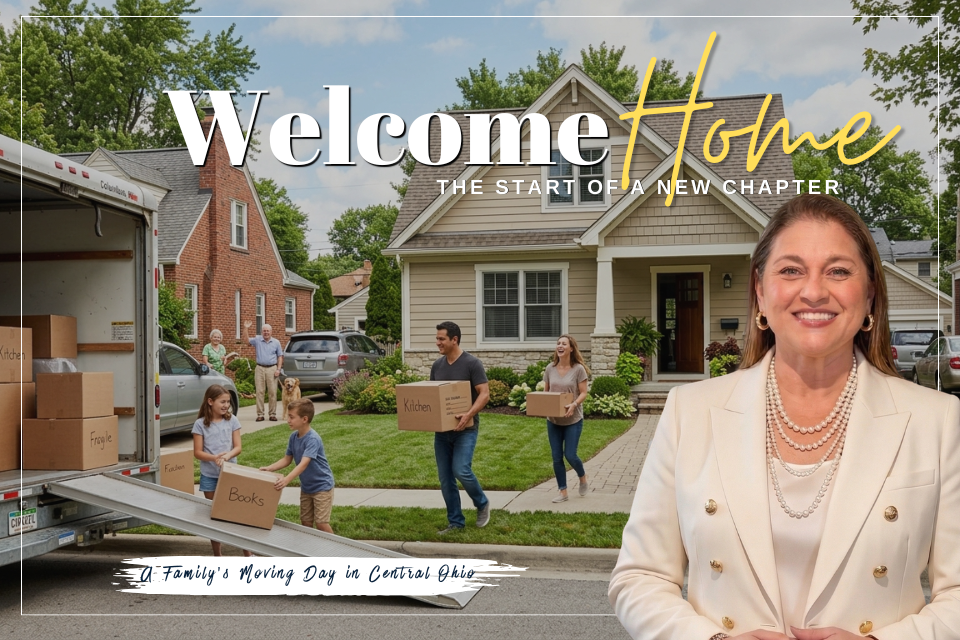
Central Ohio's overall cost of living runs about 1% below the national average, with housing and healthcare notably cheaper — but the bigger surprise for newcomers is usually how fast the place starts to feel like home.
A client of mine moved here from outside Chicago last fall, and the thing she texted me about first wasn't the house. It was that she'd made actual friends at her kid's bus stop within two weeks. She kept saying it like it was suspicious. "Is this normal here?"
It mostly is. I get some version of this conversation every few months — someone relocating for a job, or just chasing a lower cost of living, and they show up braced for a place that's flat and forgettable. Then they're surprised by how much is actually going on, and how easy it is to get folded into it.
Is Central Ohio actually cheaper to live in?
Yes, modestly, and it adds up. Columbus's 2026 cost of living runs about 1% below the national average, with housing costs roughly 13.3% lower at $1,041 a month for a single person, and food costs running about 17.2% below average. It's not a dramatic discount compared to somewhere truly cheap, but compared to the coasts — or honestly compared to Chicago — it's a real difference, especially on housing.
What actually surprises newcomers the most?
It's rarely the cost of living. It's usually the pace of how quickly a neighborhood absorbs you. Central Ohio suburbs run on small, repeatable rituals — a Saturday farmers market, a Wednesday concert series, a coffee shop where the same three people show up. That kind of structure makes it easy to become a regular fast, even somewhere brand new.
The other surprise is how much green space is woven in. Metro Parks show up in almost every direction — not far-flung nature preserves you have to plan a trip to, but trails minutes from wherever you're living.
Where should someone start looking if they're relocating?
It depends entirely on what kind of pace you want, and that's lifestyle fit, not anything else. Commuters who want walkable evenings tend toward Worthington, Bexley, or Grandview. Families wanting more space and newer construction look at Dublin, Powell, or New Albany. Folks who want urban energy without giving up a yard look at German Village or Clintonville. None of these are right or wrong — they're just different rhythms.
What does the job and economic picture actually look like right now?
Steady, and that matters more than people expect when they're weighing a move. The region's been drawing national attention for exactly that reason — strong incomes paired with housing that's still attainable relative to other growing metros.
What's the honest downside, if there is one?
Weather, mostly. Ohio has four real seasons, and winter here means actual cold and occasional snow — not constant, but real. If you're coming from somewhere mild, that's the adjustment, more than anything about the city itself.
FAQ
Is Columbus cheaper to live in than most major U.S. cities?
Yes, generally. Columbus's overall cost of living runs about 1% below the national average, with housing notably cheaper at roughly 13% below the national figure. It compares even more favorably against expensive coastal metros.
What's the biggest adjustment for people moving to Central Ohio?
For most newcomers, it's the weather more than the cost or culture. Ohio has four distinct seasons, including a real winter with cold temperatures and occasional snow, which can be an adjustment for people coming from milder climates.
Which Central Ohio suburb is best for someone who wants a walkable lifestyle?
Areas like Worthington, Bexley, and Grandview Heights are known for walkable downtowns with shops, restaurants, and farmers markets within a short walk of most homes, appealing to people who want nights out without driving.
How quickly do people typically feel settled after moving here?
There's no fixed timeline, but many newcomers describe feeling rooted within their first few months, largely because of recurring local rituals like weekly farmers markets and neighborhood events that make it easy to become a regular.
Is Central Ohio a good fit for families relocating with kids?
Many families find it appealing due to a mix of established and newer-construction neighborhoods, extensive Metro Parks access, and named school districts like Olentangy or Dublin City Schools, though specific fit always depends on individual needs.
If you're somewhere in the "still deciding" phase of a move here, I'd genuinely love to talk through what part of Central Ohio might fit your life best — no pressure, just a conversation with someone who actually lives here.
This content is provided for informational purposes only and does not constitute legal or financial advice. All real estate services are provided in compliance with Fair Housing laws, RESPA, TCPA, the REALTOR® Code of Ethics, and Ohio Real Estate Commission advertising regulations. Equal Housing Opportunity. Chrisi Hagan, Collins Lassiter Group, Red 1 Realty.